Waiting can feel safe. It gives you more time, more space to think, and maybe a little relief from making a huge decision.
But here is the part many renters overlook: waiting can still have a cost.
That does not mean you should run out and buy a home before you are ready. It does mean the cost of waiting to buy a house deserves a closer look. Sometimes waiting is wise preparation. Other times, it becomes a habit that keeps buyers stuck longer than necessary.
The goal is not to pressure you. The goal is to help you wait on purpose.
Watch the quick breakdown, then keep reading for more examples, questions to ask, and your next step.
Waiting Is Not Automatically a Mistake
Let’s be fair. Waiting can be smart.
You may need time to build savings, pay down debt, improve credit, stabilize income, or decide where you want to live. That kind of waiting is not wasted time. It is preparation.
Waiting may make sense if:
- Your job situation is uncertain
- You do not have enough savings
- Your credit needs work
- You are not sure what area fits your life
- You may move soon
- Your debt feels too high
- You have not talked with a lender yet
That is not failure. That is getting ready. The problem is when “I’ll buy later” does not have a plan behind it.
Rent Increases Can Quietly Change the Math
Many renters start out feeling comfortable with their monthly payment. Then the lease renews. Rent goes up. Maybe utilities go up too. Suddenly, saving for a future home becomes harder.
A rent increase does not mean buying is automatically better. But it should make you pause and ask:
- Is rent making it harder for me to save?
- Has my rent increased more than once?
- Am I waiting because I need to, or because I feel overwhelmed?
- Do I know what a realistic home-buying timeline looks like?
- Have I checked whether I am closer than I think?
One thing buyers often underestimate is how much time can pass while they are “thinking about it.” Six months becomes a year. A year becomes three. Meanwhile, they may still have no checklist, no lender questions, no credit review, and no clear savings target.
Waiting Can Delay Equity Building
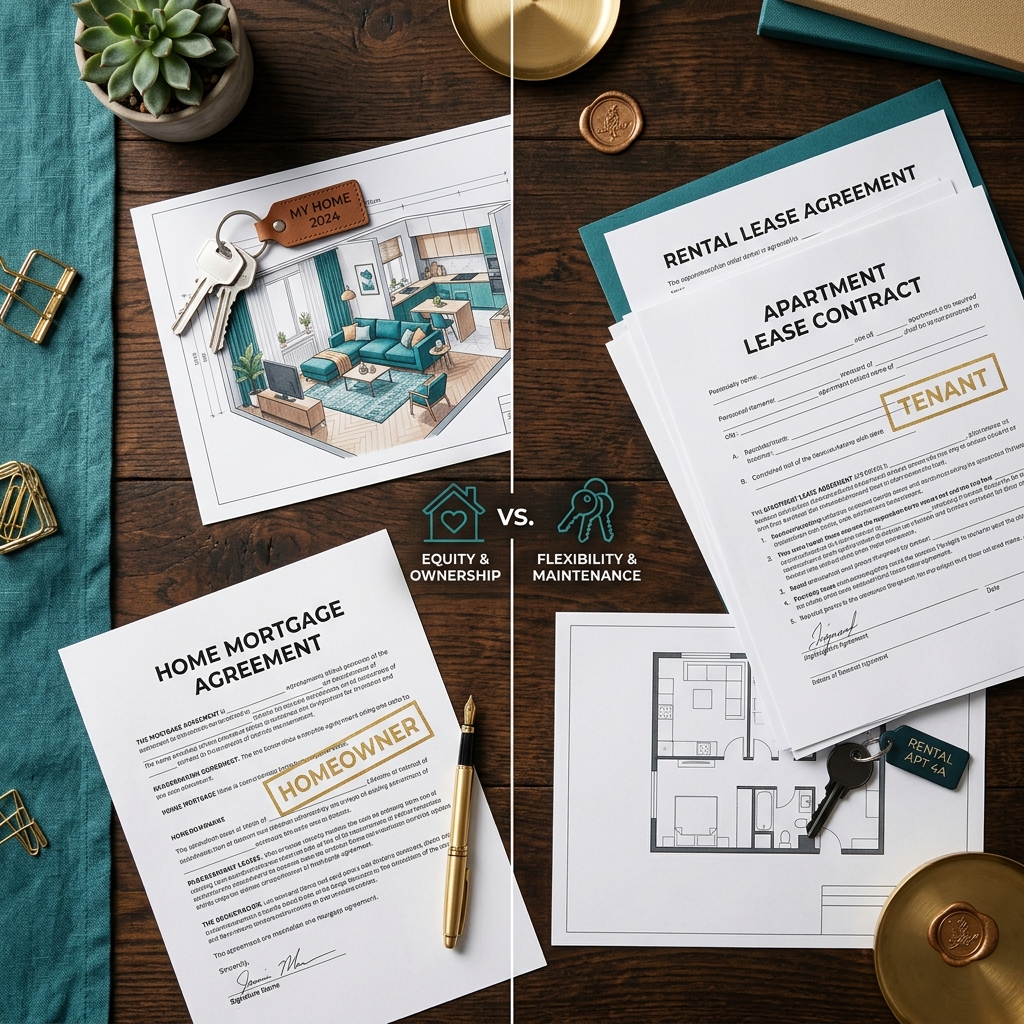
When you rent, your payment gives you a place to live. That has value. But it does not build ownership in the property.
When you own, part of your payment may reduce your loan balance over time, depending on your loan structure. Homeownership can also give you more stability and control. Of course, values can change, repairs happen, and ownership has costs. There are no guarantees. Still, if you are financially ready and plan to stay in the area, waiting may delay the start of your ownership journey.
This is where the conversation should become practical, not emotional.
A Real Buyer Scenario
Imagine someone who has been renting for years because buying feels intimidating. She has steady income and some savings, but she has never talked with a lender because she assumes she will be told no.
Every lease renewal, she says, “Maybe next year.” Then rent goes up again, and she realizes something important: she has not really been waiting to prepare. She has been waiting because she did not know where to start.
Once she finally asks questions, she learns she still has a few steps to take, but she is closer than she thought. That is the difference between fear-based waiting and informed waiting.
What Are You Actually Waiting For?
If you are waiting to buy, name the reason. Are you waiting to:
- Save a specific dollar amount?
- Improve your credit score?
- Pay down debt?
- Build emergency savings?
- Choose a neighborhood?
- Finalize a job transition?
- Understand loan options?
- Talk to a lender?
- Learn the steps in order?
Once you name the reason, you can create a plan. Without a reason, waiting can become a loop.
Common Mistake to Avoid
A common mistake is assuming later will automatically be easier. Maybe it will be. You might save more, improve credit, or feel more confident. But later could also bring higher rent, different home prices, changing rates, or new life expenses. Nobody can predict everything. That is why preparation matters.
Details can vary by lender, loan type, state, market, and personal situation. Use this as a starting point for better questions and confirm your situation with qualified professionals.
Questions to Ask Yourself
Before deciding to wait longer, ask:
- 1 What exact step am I waiting to complete?
- 2 Have I checked my credit recently?
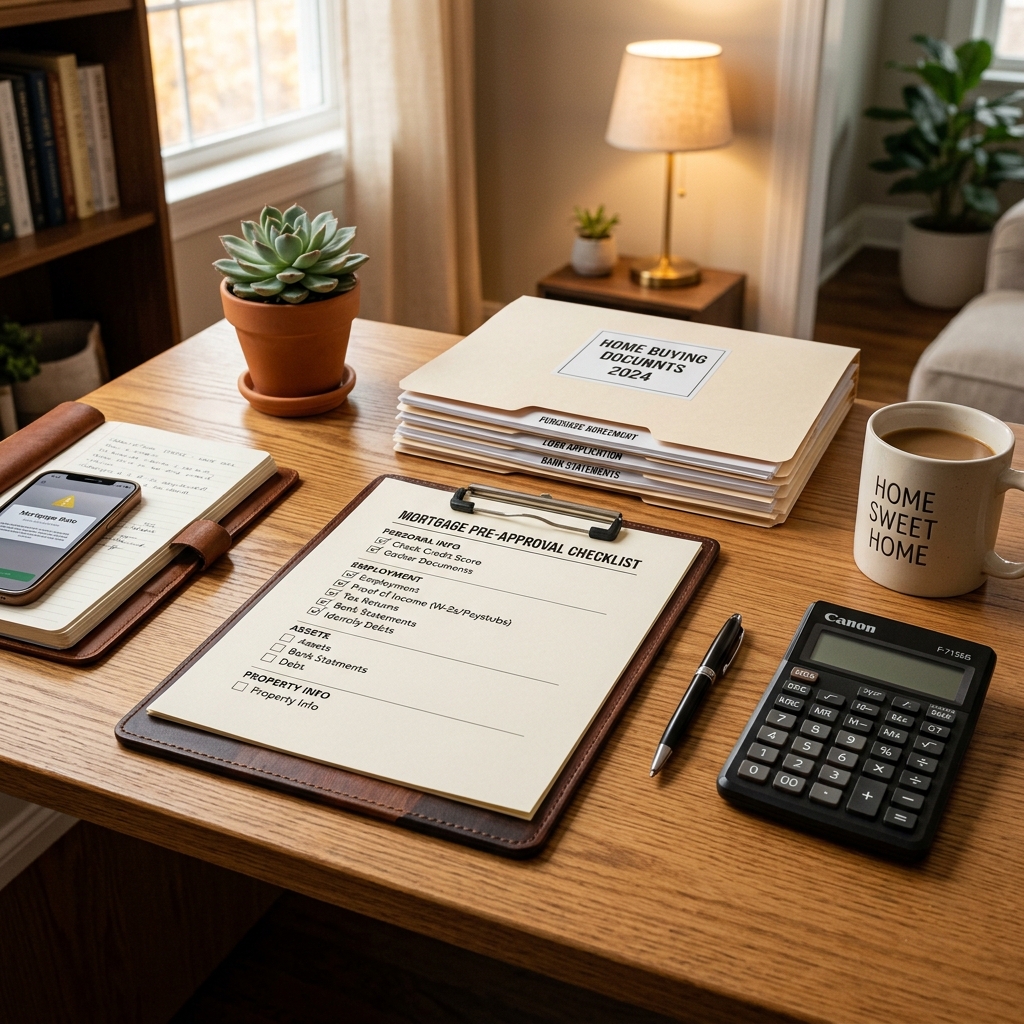
- 3 Have I gathered basic financial documents?
- 4 Have I asked a lender what might be needed?
- 5 Do I know my comfortable payment range?
- 6 Am I saving for closing costs, not just a down payment?
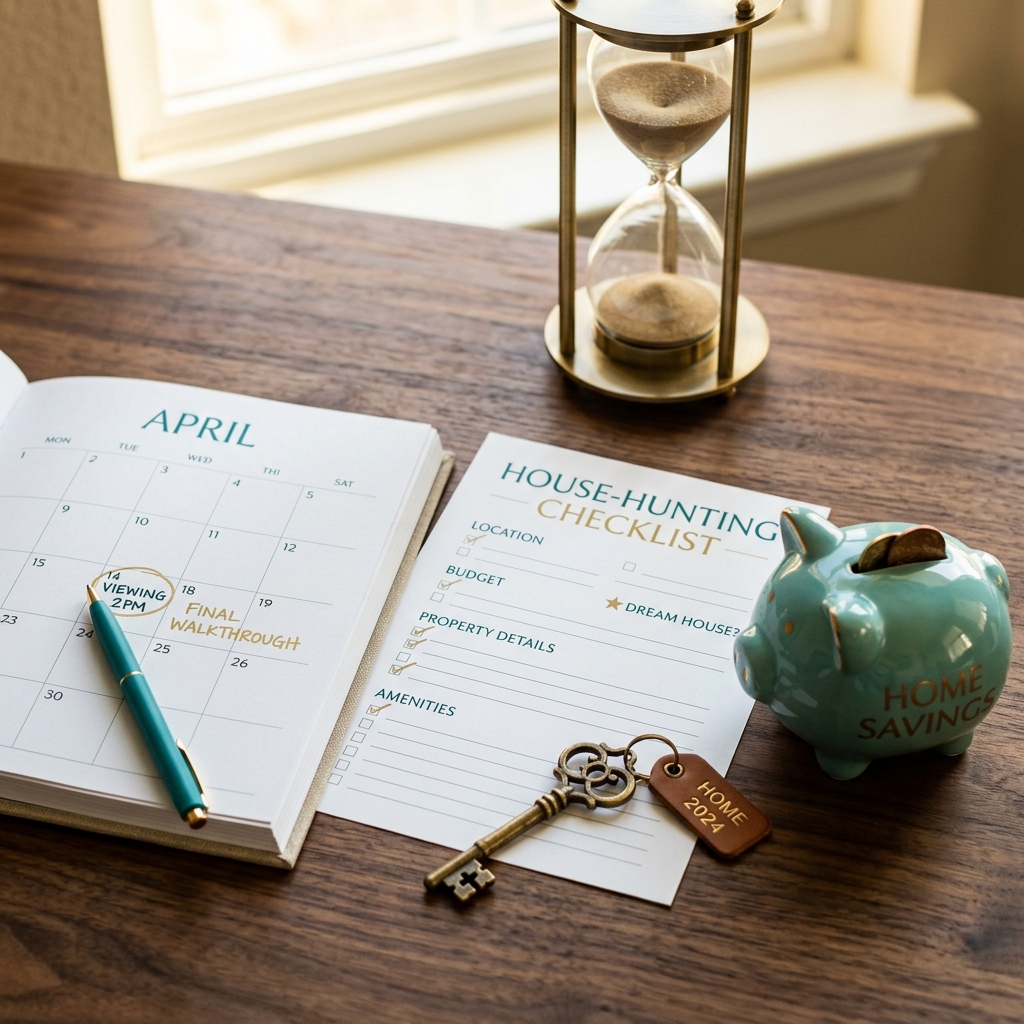
- 7 Do I have a realistic timeline?
- 8 Am I waiting with a plan, or waiting because I feel stuck?
These questions can turn confusion into a next step.
Your Next Step
Write down the top three things that need to happen before you feel ready to buy. Be specific.
- Instead of “save more,” write “save another $5,000.”
- Instead of “fix credit,” write “review credit reports and ask what needs attention.”
- Instead of “learn the process,” write “start a home-buying folder.”
That one change can make waiting productive instead of passive.
Grab Your Free Resource!
Explore the deeper homebuyer breakdown and get the free First-Time Home Buyer Starter Checklist.
Want the complete step-by-step roadmap?
Visit the Home Sweet Home book page for direct buying options, reader resources, and English or Spanish editions.