If you have ever looked at your rent payment and thought, “Am I just throwing money away?” you are not alone. But if you have also looked at home prices, interest rates, repairs, and closing costs and thought, “Maybe renting is safer,” you are not alone there either.
That is exactly why the question “should I buy a home or keep renting?” deserves a real answer, not a rushed one.
Buying can be a smart step when the timing, budget, and lifestyle fit. Renting can also be a wise choice when it gives you flexibility, breathing room, or time to prepare. The goal is not to shame yourself into buying or scare yourself into waiting. The goal is to understand what actually makes sense for your life.
Watch the quick breakdown, then keep reading for more examples, questions to ask, and your next step.
Buying Is Not Automatically Better, and Renting Is Not Automatically Wrong
One of the biggest myths first-time buyers hear is that renting is always wasting money.
That is too simple.
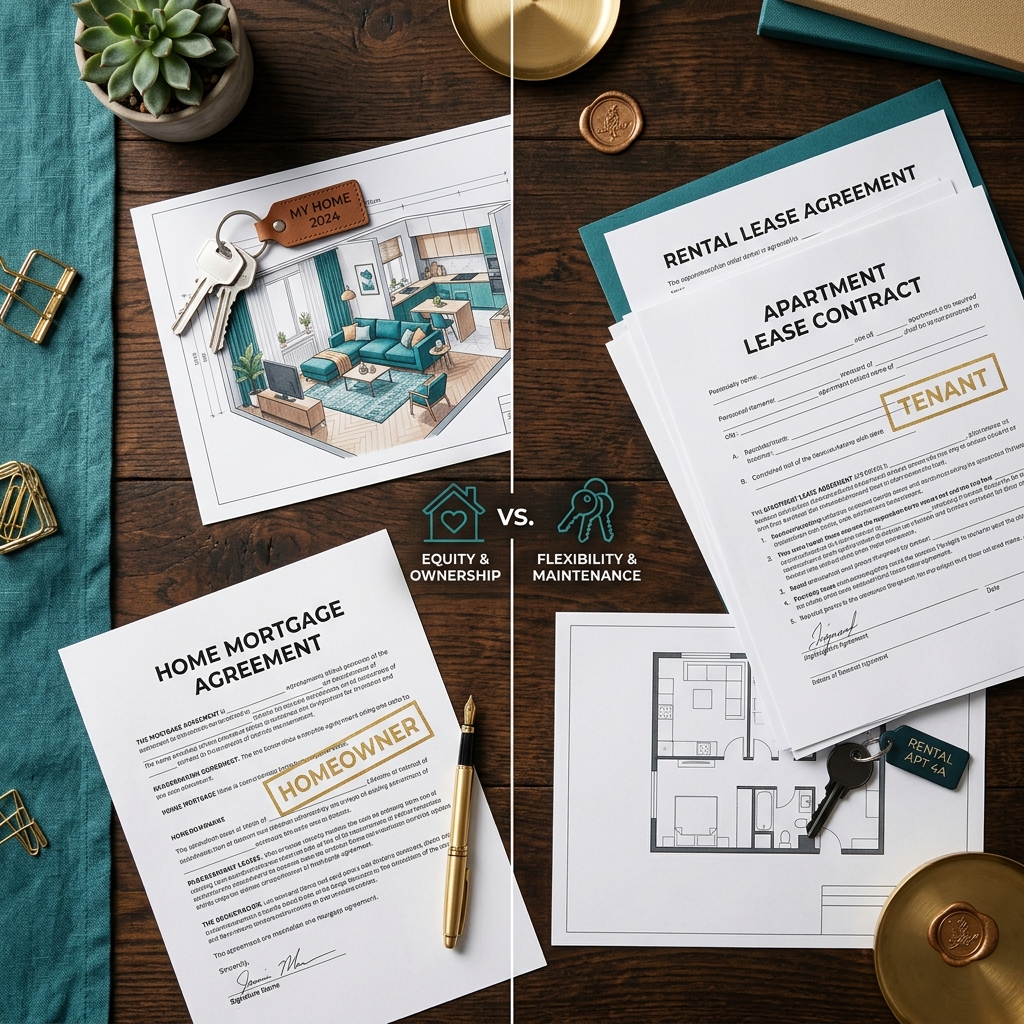
Rent gives you a place to live, flexibility, and usually less responsibility for major repairs. If the air conditioner breaks, the roof leaks, or the water heater quits, that may be the landlord’s problem instead of yours.
Homeownership gives you more control, more stability, and the possibility of building equity over time. But it also comes with maintenance, taxes, insurance, repairs, and responsibility.
So the better question is not, “Is renting bad?” The better question is:
Which option fits my current budget, timeline, stability, and goals?
After 20+ years around real estate conversations, one thing becomes clear fast: many first-time buyers do not struggle because they are careless. They struggle because nobody slowed the process down and explained what to compare.
Look Beyond the Monthly Payment
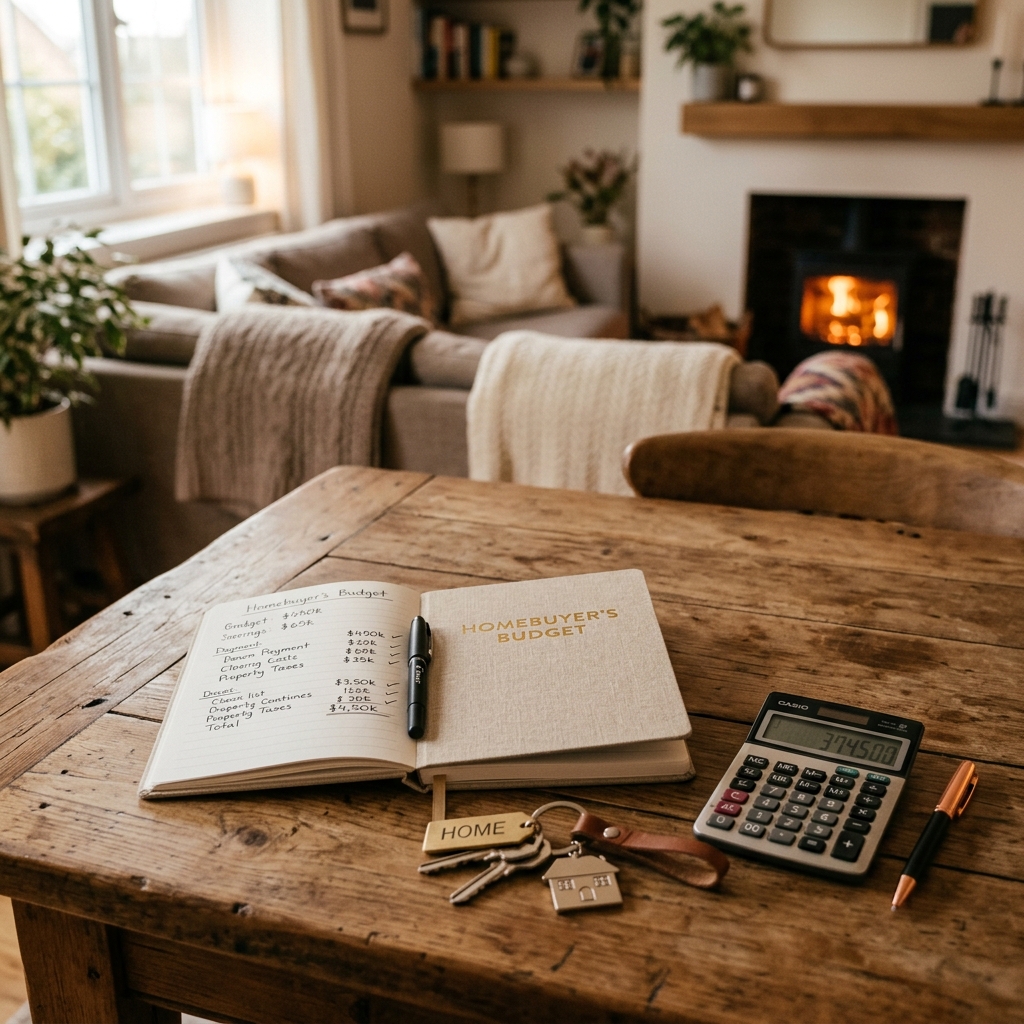
A common mistake is comparing rent to a mortgage payment only.
For example, if your rent is $2,100 and a mortgage estimate is $2,300, you may think, “That is close enough.” But that estimate may not include everything you need to consider.
A home payment may include:
- Property taxes
- Homeowners insurance
- Mortgage insurance
- HOA dues
- Utilities
- Repairs & Maintenance
- Lawn care
- Appliances
- Emergency savings
That does not mean buying is a bad idea. It means you need the whole picture before you decide. A home should give you more stability, not make every unexpected bill feel like a crisis.
When Buying May Be Worth Exploring
Buying may be worth exploring if you have steady income, some savings, and a plan to stay in the area long enough for homeownership to make sense.
You may be ready to explore buying if:
- You have a steady income
- You have savings beyond basic moving costs
- You are willing to maintain a home
- You want more control over your space
- You are tired of rent increases
- You are ready to ask a lender real questions
- You understand that homeownership includes ongoing costs
Notice the phrase “ready to explore.” You do not have to know everything today. You just need to know the next smart question to ask.
When Renting May Still Make Sense
Renting may be the better short-term choice if your job situation may change soon, your savings are thin, your credit needs attention, or you are not sure where you want to live.
For example, imagine a buyer who feels pressure from friends because “everyone is buying.” She starts looking at houses, but she may move for work next year and has very little emergency savings. In that situation, renting a little longer while building a stronger foundation may be wise.
The key is to rent with a plan, not rent by default forever because buying feels confusing.
Questions to Ask Before Deciding
Before you decide whether to buy or keep renting, ask yourself:
- 1 How long do I realistically plan to stay in this area?
- 2 Is my income stable enough for a mortgage and home expenses?
- 3 Do I have savings left after the down payment and closing costs?
- 4 Have I checked my credit recently?
- 5 Do I know what monthly payment feels comfortable?
- 6 Have I talked with a lender to understand possible numbers?
- 7 Am I ready to handle repairs and maintenance?
- 8 Am I buying because I am prepared, or because I feel pressured?
These questions help move the decision from emotion to clarity.
Common Mistakes to Avoid
The biggest mistake is making the decision based on one sentence:
- “Renting is wasting money.”
- “Rates are too high.”
- “Houses only go up.”
- “I’ll never be ready.”
- “I need to buy before it’s too late.”
None of those statements should make the decision for you. Details can vary by lender, loan type, state, market, and personal situation. Use this as a starting point for better questions, then confirm the numbers with qualified professionals.
Your Next Step
Write down three numbers:
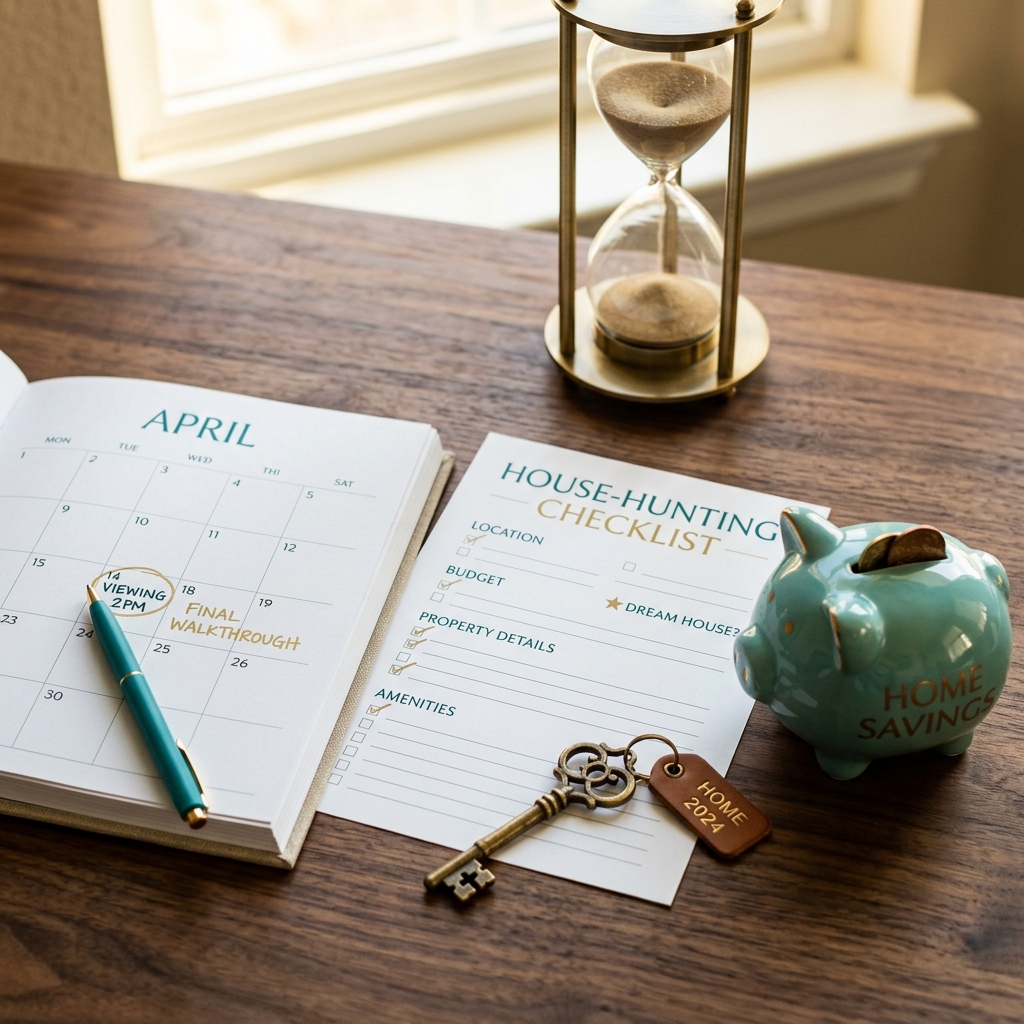
- Your current rent
- Your comfortable monthly housing budget
- Your savings available after closing
Those three numbers will not answer everything, but they will help you start thinking clearly. Buying your first home is not about rushing. It is about preparing well enough to make a confident decision.
Grab Your Free Resource!
Discover more examples and download your free First-Time Home Buyer Starter Checklist.
Want the complete step-by-step roadmap?
Visit the Home Sweet Home book page for direct buying options, reader resources, and English or Spanish editions.