
The house-hunting part is exciting. It is also where first-time buyers can get into trouble fast.
A beautiful kitchen, a cute front porch, or a backyard that feels perfect can make emotions run ahead of preparation. That is why one of the smartest questions to ask is what to do before looking at houses.
Because the truth is simple: the best first step usually happens before the first showing.
Watch the quick breakdown, then keep reading for more examples, questions to ask, and your next step.
Do Not Start With the Pretty Pictures
Scrolling homes online feels harmless. You save a few favorites. You imagine furniture. You start comparing neighborhoods. Then suddenly, you are emotionally attached to a house before you know your numbers.
This is where many first-time buyers start feeling overwhelmed. Not because they are doing something wrong, but because the process gets out of order.
Before you look seriously, you need clarity on three things:
- Your money
- Your priorities
- Your next questions
That does not remove the excitement. It protects it.
Step 1: Understand Your Numbers
Your first step is not picking a house. It is understanding what price range may fit your real life.
That means looking at:
- Income
- Monthly debt
- Savings
- Credit score
- Possible down payment
- Estimated closing costs
- Emergency savings
- Comfortable monthly payment
The word “comfortable” matters.
A lender may discuss what you could potentially qualify for, but that does not automatically mean that number is your ideal budget. Your real life still includes groceries, gas, family needs, savings, repairs, car expenses, and emergencies. A home should fit into your life; it should not swallow the whole thing.
Step 2: Talk With a Lender Early
Some buyers avoid this step because they are afraid of being told no. But a lender conversation can be helpful even if you are not ready today. It can show you what documents may be needed, what numbers matter, and what steps to take next.
Questions to ask a lender may include:
- What documents should I start gathering?
- What costs should I plan for besides the down payment?
- What is included in the payment estimate?
- Do you offer a soft credit pull option at the beginning?
- What could affect approval later?
- How long does a preapproval usually last?
- What should I avoid doing financially during the process?
Your numbers may look different depending on lender, loan type, state, market, and personal situation. That is why questions matter.
Step 3: Sort Needs From Wants
This is where house hunting gets emotional. A need is something the home must have to work for your life. A want is something you would love, but could live without.
Needs might include:
- A certain number of bedrooms
- A manageable commute
- A safe-feeling location
- A realistic price range
- Accessibility needs
- Enough space for work or family
- A specific school or care need
Wants might include:
- Fancy countertops
- A pool
- A huge backyard
- Perfect paint colors
- A fireplace
- A trendy kitchen
- Extra bonus space
There is nothing wrong with wants. The problem happens when wants start pretending to be needs.
A Real-Life Scenario
Imagine a couple who starts touring homes before they agree on priorities. One wants a big backyard. The other wants a short commute. They both say budget matters, but neither has named a comfortable monthly payment. After several showings, every home feels wrong. The problem is not the homes. The problem is the missing plan.
Once they sit down and rank what matters most, the search gets easier. They realize the short commute and manageable payment matter more than the dream backyard. Suddenly, they are not just looking. They are choosing.
Common Mistake to Avoid
A common mistake is treating house hunting like casual browsing. Browsing can quickly turn into pressure. You may fall in love with a house before you know whether it fits your budget. You may compare every future home to one that was never realistic. You may feel rushed before you understand the process. A better move is to prepare first, then search.
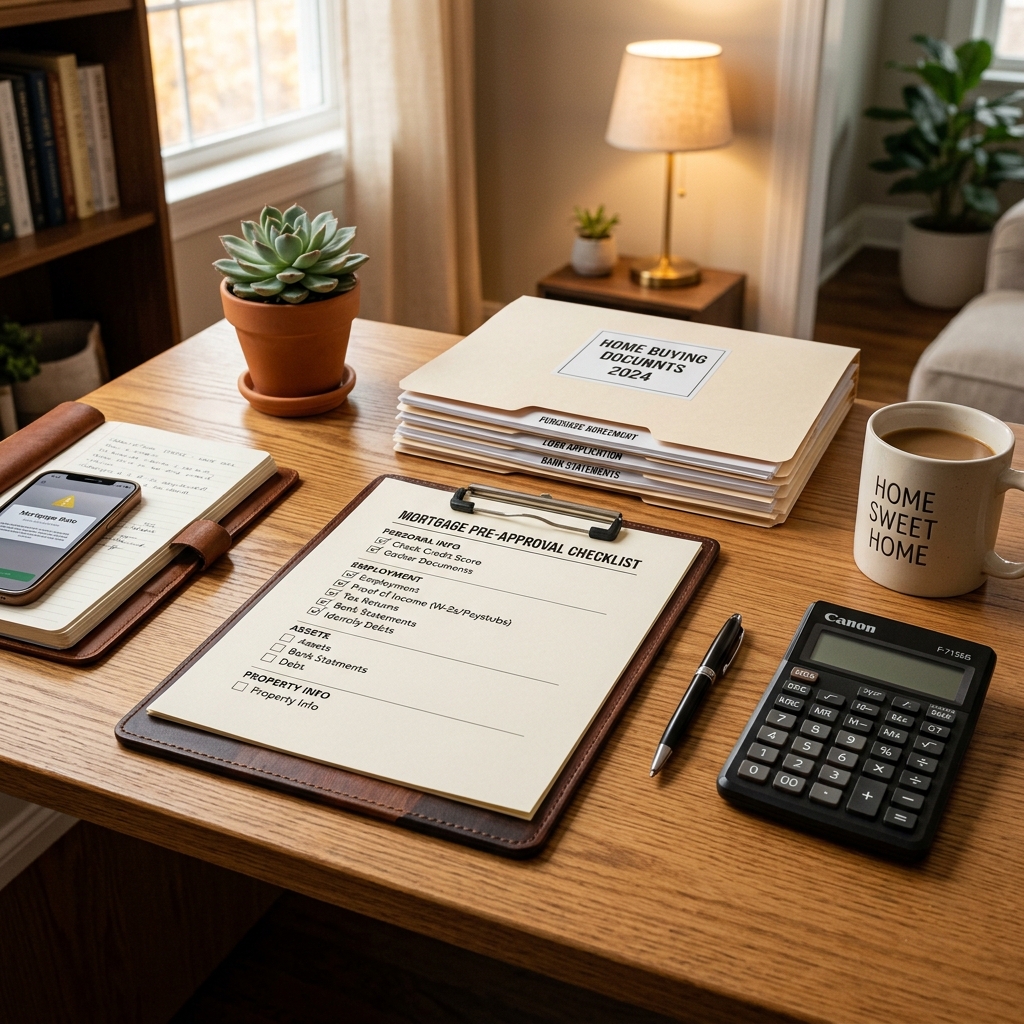
Create a Home-Buying Folder
Before looking at houses, create a simple folder. It can be digital, physical, or both. Add: budget notes, lender questions, credit notes, needs and wants list, neighborhood ideas, home tour notes, inspection questions, closing cost questions, and documents to gather. This one small step can make the process feel less scattered.
Your Next Step
Before you tour homes, write down: your comfortable monthly payment, three lender questions, five true needs, five wants, your preferred areas, and your must-avoid deal breakers. That list will help you walk into showings with more confidence and less emotion-driven pressure.
Want the complete step-by-step roadmap?
Visit the Home Sweet Home book page for direct buying options, reader resources, and English or Spanish editions.
Frequently Asked Questions
Should I look at houses before getting preapproved?
You can browse casually, but serious house hunting is usually easier after you understand your numbers.
What should I do before touring homes?
Review your budget, talk with a lender, check credit, and create a needs-versus-wants list.
Why is a home-buying folder helpful?
It keeps your notes, questions, documents, and priorities organized in one place.