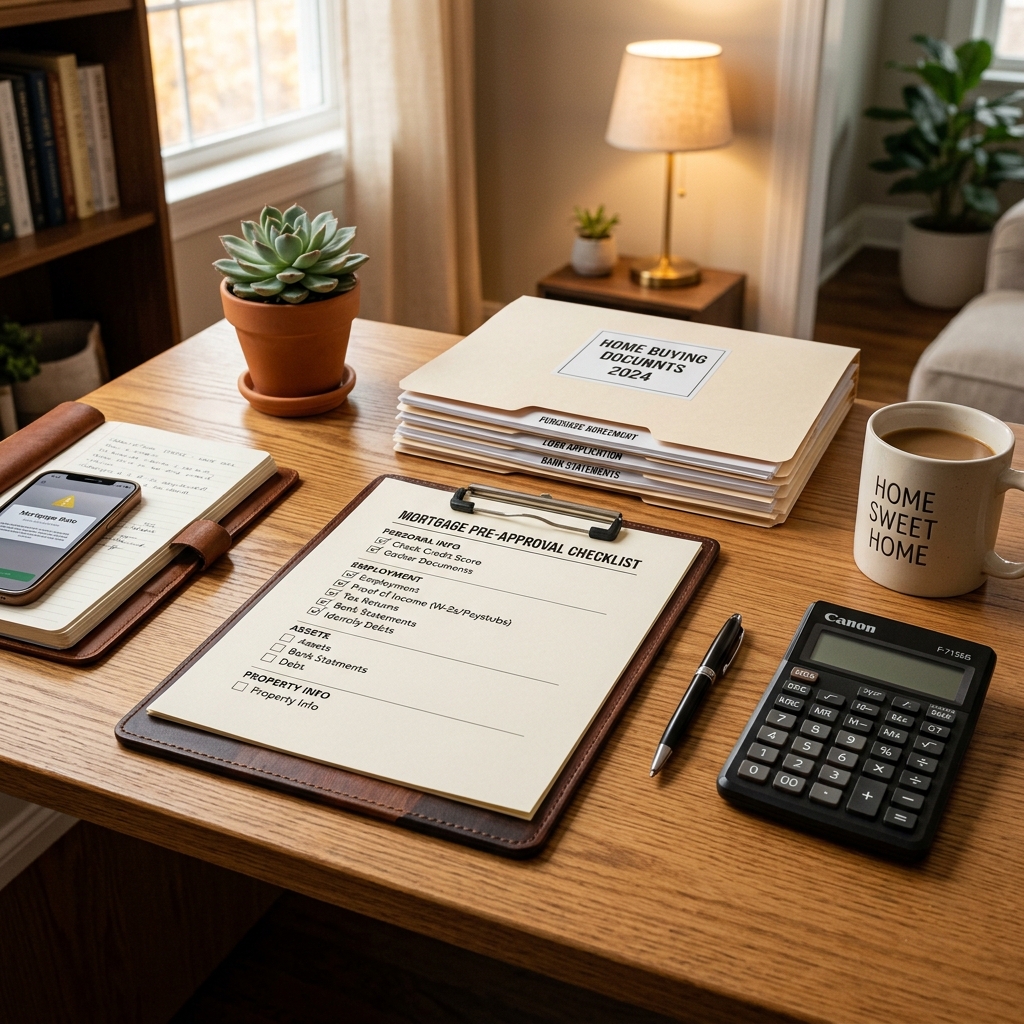

The biggest number is not always the smartest number.
That sentence may save a first-time buyer from a lot of stress.
When buyers ask, “how much house can I really afford as a first-time buyer?” they often focus on the maximum amount a lender may discuss with them. But maximum approval and comfortable affordability are not the same thing.
A home should give you stability. It should not make every grocery trip, car repair, birthday gift, or emergency feel like a budget crisis.
Watch the quick breakdown, then keep reading for more examples, questions to ask, and your next step.
Approval Is Not the Same as Comfort
A lender may review income, debts, credit, assets, and loan guidelines. That process can help you understand what may be possible.
But only you know how your real life feels month to month. Your budget may include:
- Groceries
- Gas
- Childcare
- Medical expenses
- Family support
- Car repairs
- Insurance
- Savings
- Pets
- Travel
- Everyday needs
- Emergencies
If a payment technically fits but leaves no breathing room, it may not be the right comfort level for you. One thing buyers often underestimate is how much life still costs after closing.
What Is Included in the Payment?
Many buyers start with an online mortgage calculator. That can be helpful, but it may not show the full picture.
Depending on the home, loan type, and location, your monthly housing cost may include:
- Principal
- Interest
- Property taxes
- Homeowners insurance
- Mortgage insurance
- HOA dues
- Flood insurance, if applicable
- Other local costs or fees
This is why two homes with the same price can have very different payments. A house with higher taxes, higher insurance, or HOA dues may cost more each month than another home at the same purchase price.
Ask Better Questions Before Choosing a Price Range
Before you decide what price range to shop in, ask your lender:
- What is included in this payment estimate?
- Are taxes and insurance included?
- Is mortgage insurance included?
- Are HOA dues included?
- How much cash may be needed for closing?
- How much should I keep in savings after closing?
- Could this number change before closing?
- What costs should I be prepared for after I move in?
These questions do not make you difficult. They make you prepared. Details can vary by lender, loan type, state, market, insurance, taxes, and personal situation. Use this as a starting point for better questions and verify with professionals.
A Real Buyer Scenario
Imagine a buyer who gets excited after hearing a high approval number. She starts looking at homes near the top of that range. The homes are beautiful. The kitchens are nicer. The neighborhoods feel exciting. Then she adds taxes, insurance, possible HOA dues, and normal life expenses. Suddenly, the payment feels tight. Not impossible, but tight enough to make her nervous.
So she steps back and chooses a lower price range. The homes are not quite as flashy, but the payment gives her room to save, handle repairs, and live. That is not settling. That is wisdom.
Common Mistake to Avoid
A common mistake is treating the approval amount like a shopping budget. Think of it as information, not permission to spend the maximum. The better question is: What can I comfortably maintain?
That question matters because homeownership does not stop at the monthly payment. You may need money for repairs, furniture, utility deposits, lawn equipment, appliances, paint, and emergencies.
Do Not Forget Cash After Closing
Getting the keys is exciting, but it is not the finish line financially. After closing, you may need money for: moving costs, utility deposits, minor repairs, appliances, furniture, cleaning supplies, lawn care, security updates, and emergency savings. A buyer who uses every available dollar to get into the home may feel stressed when normal ownership costs show up. A stronger plan includes money to buy and money to live.
Your Next Step
Before looking at homes, write down your comfortable monthly housing payment. Not the dream number. Not the maximum. The number that lets you sleep at night.
Then use that number to guide your lender questions and your home search. A home should support your life, not squeeze it.
Want the complete step-by-step roadmap?
Visit the Home Sweet Home book page for direct buying options, reader resources, and English or Spanish editions.
Frequently Asked Questions
Is my approval amount the same as my budget?
No. Approval may show what could be possible, but your budget should reflect what feels comfortable in real life.
What costs should I consider besides the mortgage payment?
Taxes, insurance, mortgage insurance, HOA dues, repairs, utilities, maintenance, and savings after closing may all matter.
How do I choose a comfortable price range?
Start with your monthly budget, ask what is included in lender estimates, and make sure you keep savings after closing.