Why Big Goals Fail: The Neuroscience of Resistance
Have you ever started a new year or a Monday morning fueled by pure motivation—promising to workout for an hour every day, read 50 pages a night, and drink two gallons of water—only to abandon ship by Thursday afternoon?
You are not alone. Traditional self-help preaches "thinking big," but when it comes to daily execution, your brain is hardwired to resist sudden, massive shifts in routine.
In her book Productivity Micro-Habits: Tiny Changes, Big Impact, author Grace Keys reveals that true, long-lasting transformation doesn't come from heroic bursts of effort. It comes from micro-habits—actions so small they feel almost absurdly easy to complete.
The Amygdala Alarm
Radical changes trigger resistance, cognitive fatigue, and procrastination. Your brain's survival center perceives sudden shifts as a threat.
The Basal Ganglia Solution
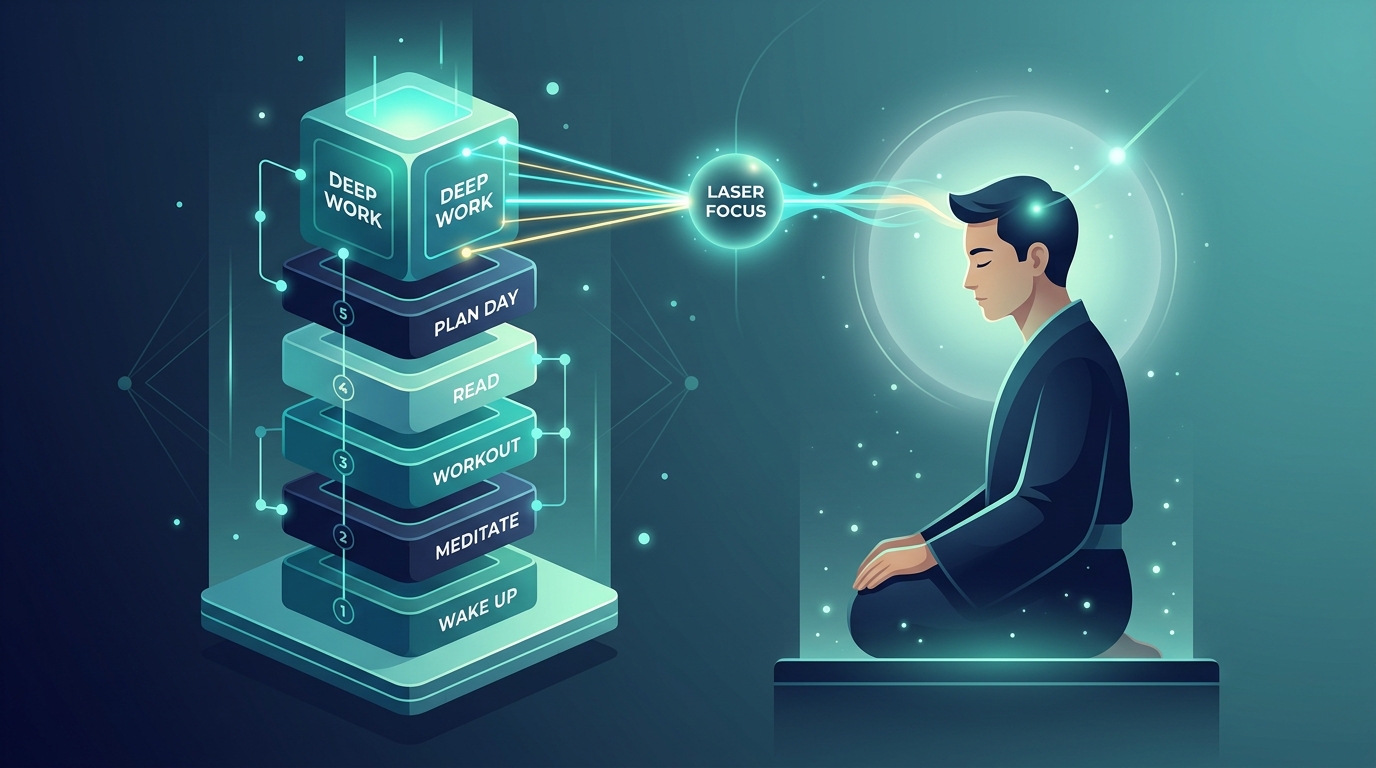
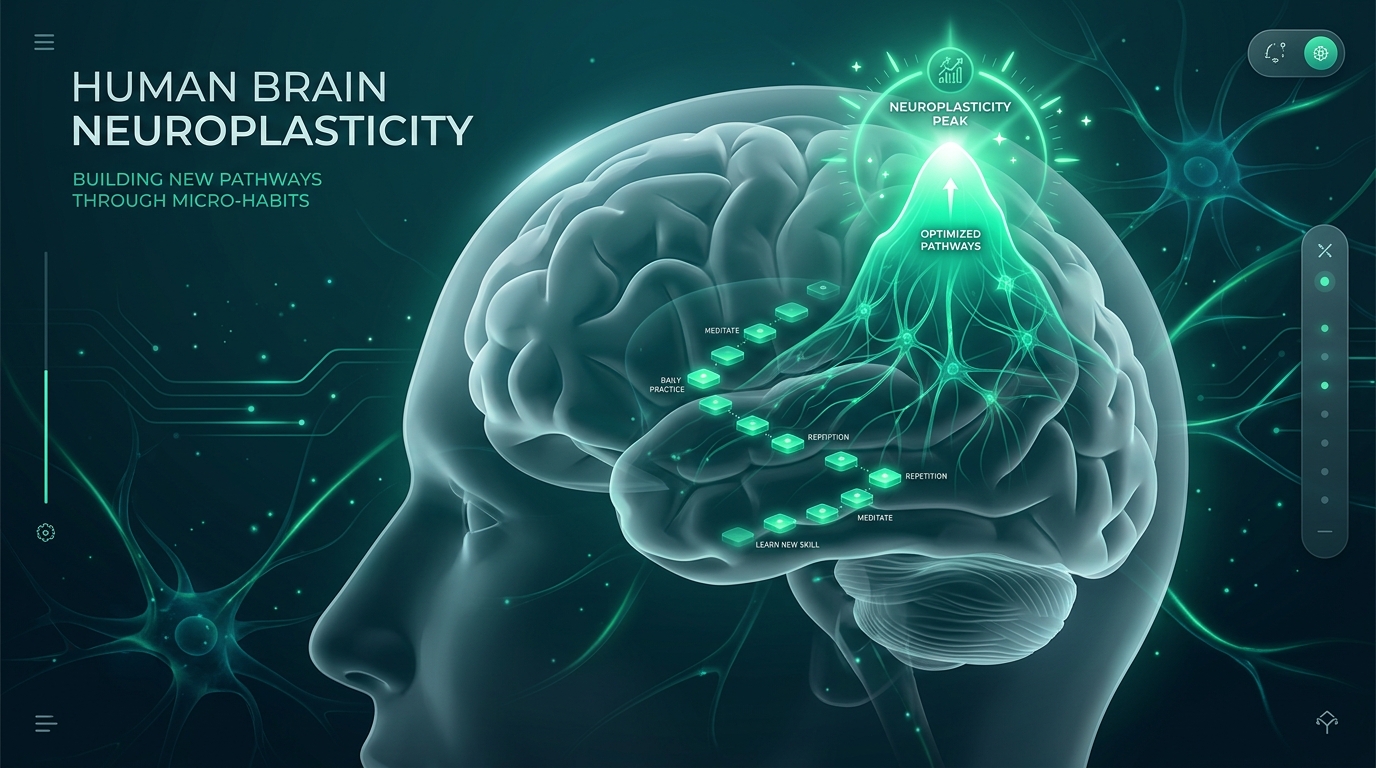
The basal ganglia automates repeated behaviors. By keeping actions small, you slip under your brain's radar without triggering resistance.
Dopamine Reinforcement
Completing even a tiny task releases dopamine, creating a positive feedback loop that makes you want to repeat the behavior tomorrow.
What Exactly Is a Micro-Habit?
A micro-habit is a scaled-down version of a goal that takes two minutes or less to execute.
| Full-Sized Goal | Scaled-Down Micro-Habit |
|---|---|
| Read 1 chapter every night | Open the book and read 1 paragraph |
| Exercise for 45 minutes daily | Put on running shoes and do 2 push-ups |
| Write a 2,000-word article | Open a blank doc and write 1 sentence |
| Meditate for 20 minutes | Take 3 deep, conscious breaths |
Key Rule:
The goal of a micro-habit isn't to complete the whole task—it's simply to master the art of showing up.
Step-by-Step: Designing Your First Micro-Habit
Follow Grace Keys' 3-step design framework to launch a habit that sticks:
Step 1: Shrink the Action to Under 120 Seconds
If your goal feels heavy, reduce it until resistance vanishes completely. If reading one page feels intimidating after a 10-hour workday, shrink it to reading one sentence.
Step 2: Remove All Physical & Digital Friction
Design your environment so the micro-habit requires zero decision-making power:
- Want to write in the morning? Leave your notebook open on your desk with a pen beside it.
- Want to drink more water? Place a filled glass on your nightstand before sleep.
Step 3: Celebrate Immediate Wins
Never underestimate the power of a quick high-five or internal "Yes!" celebration. Your brain needs to associate the completion of the micro-habit with an immediate emotional reward.
Frequently Asked Questions (FAQ)
Can a 2-minute habit really lead to big results?
Yes. Micro-habits build identity before intensity. Once you identify as a reader or a writer, scaling up the time happens naturally without mental exhaustion.
What if I feel like doing more than 2 minutes?
You can! But your official requirement stops at 2 minutes. Even if you only do 2 minutes, consider it a 100% win for the day.
Build Unstoppable Daily Momentum
This insight was pulled from Productivity Micro-Habits: Tiny Changes, Big Impact by Grace Keys. Unlock 25+ actionable micro-habit templates.
Explore The BooksNever Miss an Insight
Join the VIP Reader Team for weekly frameworks and book giveaways.
Subscribe Free